
By nstartup
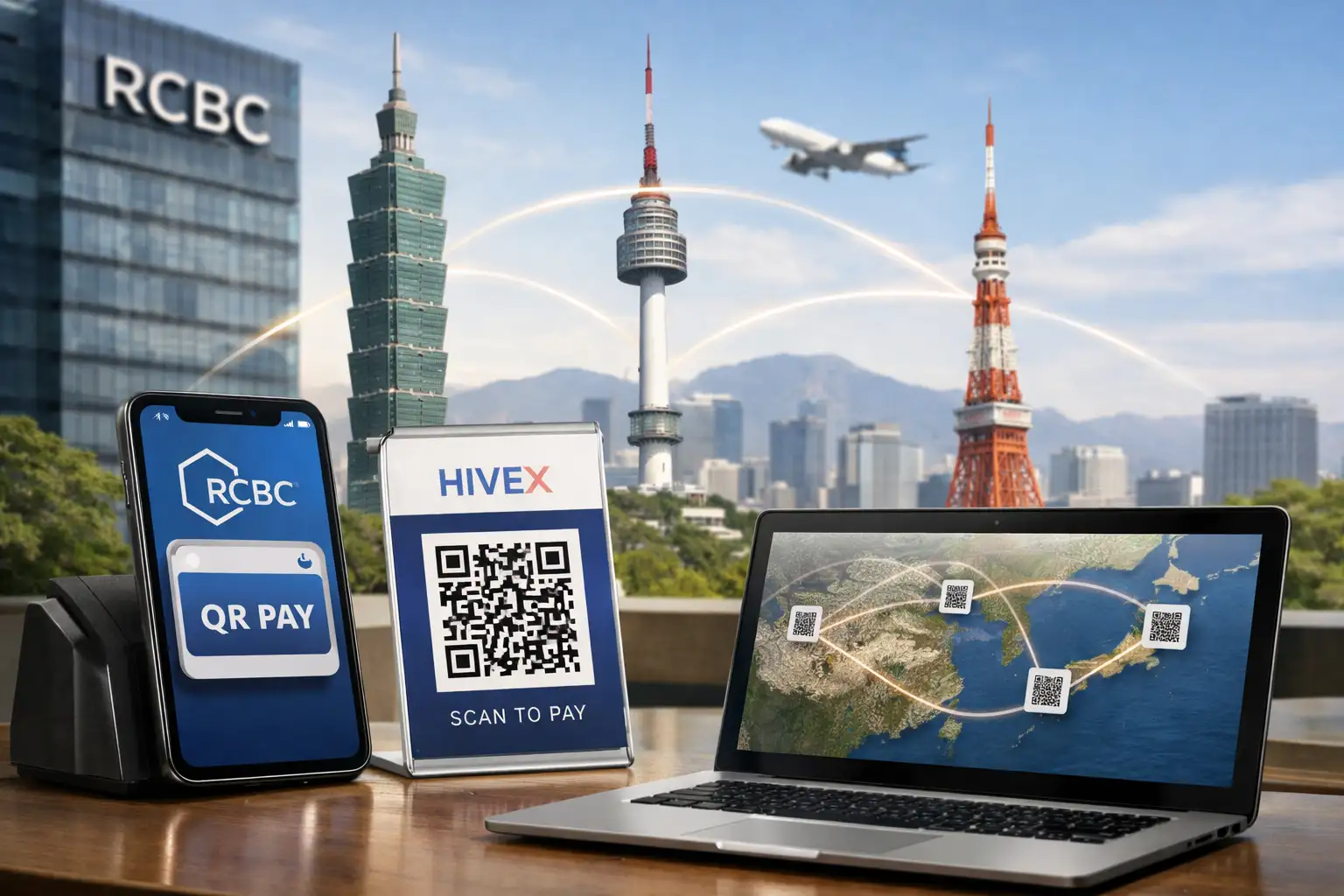
RCBC and Novus Transact Philippines are assessing a connection to TBCASoft’s HIVEX network, which links payment systems in Taiwan, South Korea, and Japan. The exploratory agreement could enable inbound QR payments for Philippine merchants and future overseas payments for RCBC wallet users.
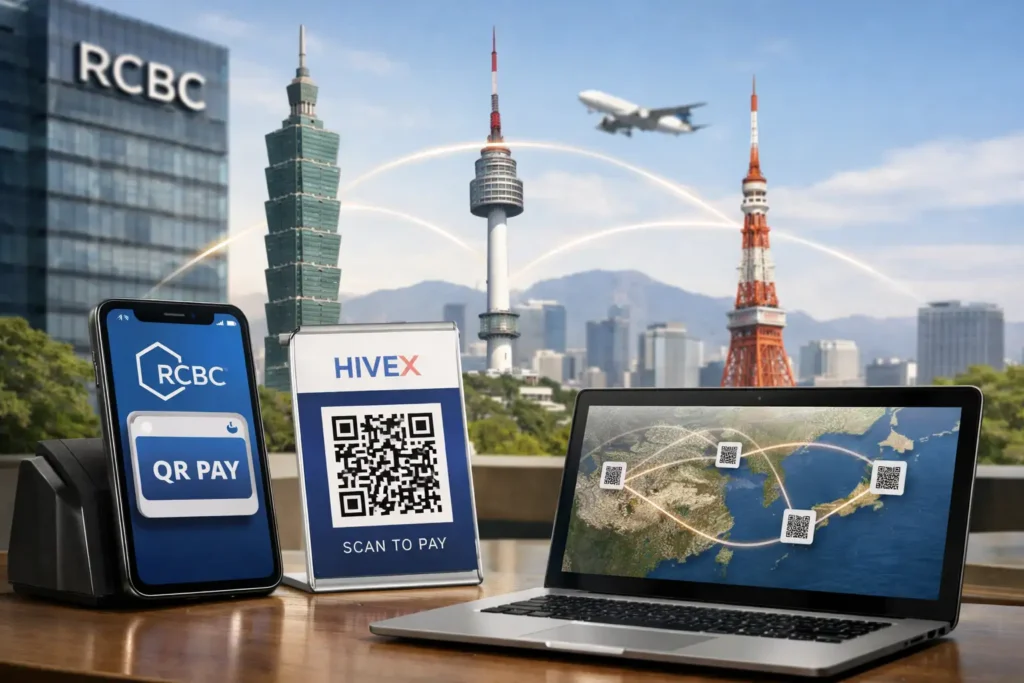
Rizal Commercial Banking Corporation (RCBC) and Novus Transact Philippines Corporation have signed a memorandum of understanding to explore connecting RCBC to HIVEX, a cross-border QR payment network developed by TBCASoft. The agreement is intended to assess technical and operational requirements for linking the Philippine bank’s payment ecosystem with international markets. No launch date, commercial terms, or confirmation of a live service has been announced.
The proposed connection could support inbound QR payments from wallets and financial institutions participating in HIVEX. If implemented, visitors using a partner wallet could scan participating QR codes at Philippine merchants and complete transactions through their existing payment application. The arrangement would be designed to improve interoperability without requiring every institution to replace its domestic payment infrastructure.
The parties will also examine outbound functionality. This could eventually allow RCBC wallet users to pay by QR when traveling in markets connected to HIVEX, including Japan, South Korea, Taiwan, and China. In practice, users could pay in their home currency while participating payment systems handle the underlying conversion, settlement, compliance checks, and transaction routing. The exact user experience and supported currencies would depend on the results of the evaluation.
HIVEX is structured to connect domestic payment networks while allowing participating institutions to retain their own governance, risk controls, and regulatory responsibilities. That model is significant for cross-border payments because QR systems are often built around country-specific standards, licensing requirements, and consumer-protection rules. A shared network can reduce technical fragmentation, but it still requires agreements covering identity verification, fraud monitoring, dispute handling, data protection, and settlement.
TBCASoft CEO Ling Wu said the network is expanding across international markets and is focused on cross-border payment interoperability. The company’s existing connections provide a potential framework for the RCBC initiative. HIVEX already includes South Korea’s Bizplay, also known for the ZeroPay system, which has approximately 1.75 million merchants, as well as Taiwan-based E.SUN Bank. These relationships indicate that the network has experience linking established domestic payment ecosystems, although they do not guarantee that the Philippine corridor will proceed.
Novus Technologies President and CEO Ricardos Khoury said the company would serve as HIVEX’s gateway in the Philippines. Novus already operates RCBC’s ATM Go network, which provides financial access through a distributed network of outlets and agents. The system has reached all 82 Philippine provinces and has processed more than PHP 7.5 billion in transactions, according to the companies. That operational relationship gives Novus an existing connection to RCBC’s infrastructure and to communities that may benefit from broader digital payment access.
RCBC Chief Innovation and Inclusion Officer Lito Villanueva said the bank expects the collaboration to support more seamless QR payment experiences for Filipinos. The focus on both inbound and outbound payments reflects the growing use of QR codes for everyday transactions and travel. However, the practical impact will depend on testing, regulatory approvals, merchant acceptance, pricing, currency conversion arrangements, and the ability of the participating networks to manage cross-border risks.
For now, the memorandum represents an exploration rather than a product launch. RCBC, Novus, and TBCASoft must determine whether the proposed connection can meet Philippine regulations and the technical standards of the participating markets. If those conditions are satisfied, the partnership could give Philippine consumers and merchants another route to international QR payments while preserving the domestic systems already used by banks, wallets, and payment providers.
See full post here.